
Respiratory Physiotherapy for Flu & Colds
Chest physiotherapy and respiratory support for flu, colds, and congestion in Mayville, Pretoria — helping you breathe easier and recover well.
- No referral needed
- Medical aid billed directly
- Full-hour assessment
Introduction
Flu and common colds are some of the most frequent illnesses people experience, affecting adults and children alike. Most adults catch around 2–4 colds per year, and seasonal influenza contributes to millions of cases globally each year, often leaving people feeling exhausted, achy, congested, and run-down.
While these infections are usually self-limiting, the symptoms can significantly disrupt daily life, from struggling through work and poor sleep, to feeling breathless, weak, or unable to exercise properly. The good news is that physiotherapy can play a supportive role in recovery, helping to manage symptoms, improve breathing, restore energy levels, and guide a safe return to normal activity, always alongside, not instead of, appropriate medical care for the underlying illness.
At Peak Physiotherapy in Mayville, we support patients from The Moot, Wonderboom, Les Marais, and Rietfontein, as well as further afield across Pretoria through this kind of respiratory recovery, particularly where symptoms are lingering longer than expected or leaving you more breathless and deconditioned than usual. A full assessment looks at your breathing pattern, chest movement, and activity tolerance, so your recovery plan is built around what's actually happening, not just how many days it's been.
Anatomy & Biomechanics
Your respiratory system is designed to move air efficiently in and out of the body, delivering oxygen to working muscles and organs while removing waste gases. When you're healthy, breathing is smooth, deep, and well-coordinated with movement and posture.
During a flu or cold, the lining of the airways becomes irritated and inflamed. This leads to congestion, increased mucus, and coughing. Fatigue often causes people to breathe more shallowly and move less, which can further affect lung expansion and overall energy levels. Supporting the respiratory system with gentle movement and breathing strategies can help the body recover more comfortably.
- The nose and sinuses – warm, filter, and humidify incoming air before it reaches the lungs, which is why congestion here affects breathing further down too
- The airways (bronchi and bronchioles) – branching tubes carrying air deeper into the lungs, often irritated and narrowed during a cold or flu
- The lungs – where oxygen exchange takes place, supported by millions of tiny air sacs that can be affected by inflammation and mucus
- The diaphragm and rib muscles – the main muscles driving effective breathing, which can tire and become less efficient during a prolonged illness
What Causes the Symptoms (Acute vs Gradual)
Flu and cold symptoms can develop suddenly or linger gradually, and both patterns are very common.
Symptoms usually come on acutely, developing suddenly after exposure to a virus. The body's immune response drives much of what you feel in the first few days: fever, aches, congestion, and fatigue, as it works to fight off the infection.
In other cases, symptoms can feel more gradual, particularly during recovery, where lingering fatigue or chest tightness may persist even after the infection itself has passed. Common contributors to prolonged symptoms include returning to work or exercise too quickly, prolonged bed rest or inactivity, shallow breathing due to congestion or coughing, poor sleep and dehydration, and ongoing stress and fatigue.
- Post-viral fatigue and lingering cough are very common and don't necessarily mean something is wrong
- There is often no single reason symptoms persist beyond the usual timeframe
- Prolonged inactivity and shallow breathing can slow recovery just as much as doing too much too soon
- The respiratory system is adaptable and generally recovers well with the right pacing
Common Symptoms
Symptoms vary depending on the specific illness and how your body is responding to it. Common experiences include:
- Blocked or runny nose, sinus pressure, or post-nasal drip
- Coughing, chest tightness, or heavy breathing
- Fatigue and low energy, even with simple tasks
- Headaches or a foggy feeling
- Muscle and joint aches, especially with flu
- Feeling short of breath during activities that are usually easy
How This Affects Your Day-to-Day
Flu and cold symptoms rarely stay contained to just feeling unwell. They can quietly limit some of the most ordinary daily activities.
- Struggling to get through a workday without needing to stop and catch your breath
- Avoiding the gym or a run, worried you'll feel worse rather than better
- Feeling foggy and unfocused well after the worst of the illness has passed
- Getting out of breath doing things that were effortless just a week or two ago
For many people, it's not just the illness itself, but how long the tiredness and breathlessness linger afterward that wears them down.
Why It Might Not Be Improving
A few patterns commonly keep flu and cold symptoms, particularly fatigue and breathlessness, lingering longer than expected:
- Returning to work, exercise, or normal activity too quickly, before energy levels and breathing have properly recovered.
- Staying inactive for too long. Prolonged bed rest can leave the chest and breathing muscles deconditioned, which can slow recovery just as much as doing too much too soon.
- Shallow breathing due to ongoing congestion or a lingering cough, which can reduce lung expansion and prolong that "unfit" feeling.
- Not addressing ongoing chest tightness or a persistent cough, assuming it will simply resolve on its own without any guidance.
Common Diagnoses
Several terms are used to describe flu and cold-related respiratory symptoms. These labels help guide expectations for recovery, though the underlying supportive care is often similar:
Common cold
is a mild viral illness affecting the nose and throat, generally self-limiting within 7–10 days.
Influenza (flu)
is a more intense infection associated with fever, aches, and marked fatigue, sometimes requiring a longer recovery period.
Acute sinusitis
involves inflammation of the sinuses following a cold, causing pressure and congestion.
Viral bronchitis
involves inflammation of the larger airways, causing persistent coughing that can linger after other symptoms resolve.
Post-viral cough or fatigue
describes lingering symptoms remaining after the main infection has resolved, a common and generally self-resolving pattern, though physiotherapy can help support the recovery process.
How Physiotherapy Can Help
If flu or cold symptoms are lingering, physiotherapy provides structured support during recovery. A full assessment looks at breathing patterns, chest movement, posture, and activity levels. Our goal is to restore normal function and prevent symptoms from returning. See our chest physiotherapy treatment page for more detail on the specific techniques used.
- Breathing techniques to improve airflow and reduce chest tightness
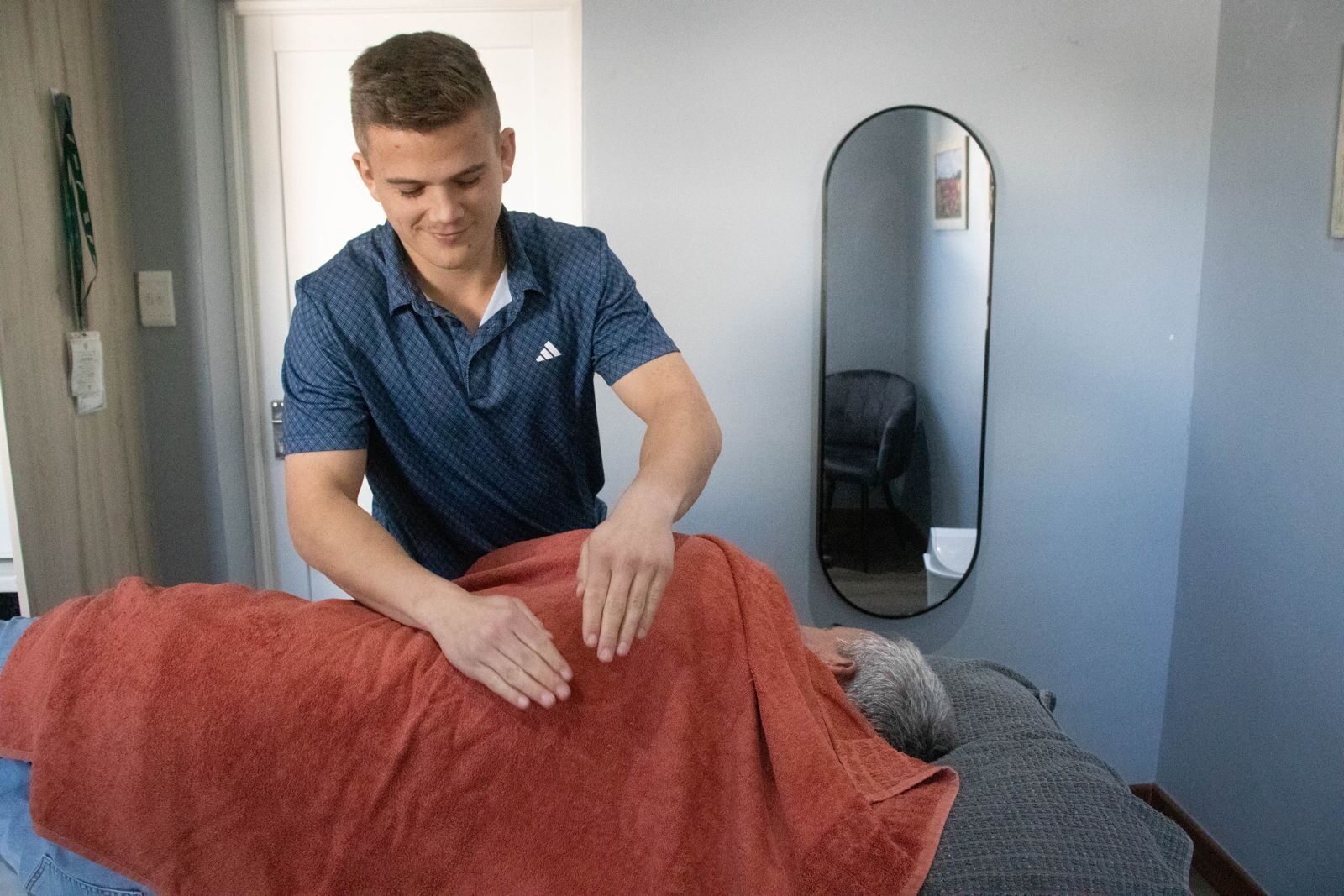
- Hands-on therapy to support chest wall mobility and ease muscular tension
- Graded exercise — activity guidance to rebuild energy levels safely
- Education to help you return to work and daily tasks without setbacks
A common cold typically resolves within 1 to 4 weeks, and flu symptoms often take a similar 1 to 4 weeks, with fatigue sometimes lingering longer. These are always approximate windows. Symptoms that worsen rather than improve, or persist significantly beyond these windows, warrant medical review rather than physiotherapy first. At our practice in Pretoria, The Moot, and Mayville, we help patients navigate recovery from prolonged respiratory symptoms safely and confidently.
Related Conditions We Treat
Not sure this is the right fit? These related conditions might explain what you're experiencing more precisely: Mid-Back Pain, Neck Pain, Concussion.
Frequently Asked Questions
Can physiotherapy help after flu or a cold?
Yes. Physiotherapy can assist with breathing efficiency, chest mobility, fatigue management, and a safe return to activity after illness.
Is it normal to feel tired for weeks after flu?
Yes. Post-viral fatigue is common and usually reflects ongoing recovery rather than a serious problem. We can help you manage this transition.
Do I need physiotherapy if my chest sounds clear?
Yes, potentially. Breathing patterns, movement, and chest mobility can still be affected even if clinical tests or lung sounds are normal.
When is it safe to exercise again after flu?
This depends on your symptoms and energy levels. Physiotherapy helps guide a gradual, safe return without risk of setbacks or relapse.
How long should a cold or flu last before I'm concerned?
A common cold typically resolves within 1 to 4 weeks, and flu symptoms often take a similar 1 to 4 weeks, with fatigue sometimes lingering longer. Symptoms that worsen rather than improve, or persist significantly beyond these windows, warrant medical review rather than physiotherapy first.
Can chest physiotherapy help me avoid getting pneumonia after flu?
Supporting good chest mobility and breathing during recovery is a reasonable, supportive measure, though it isn't a guarantee against complications — anyone with concerning respiratory symptoms (worsening breathlessness, fever, chest pain) should seek medical assessment.
Is coughing for weeks after a cold normal?
A lingering cough for a few weeks after a respiratory infection is common and usually resolves on its own. A cough that's worsening, produces blood, or is accompanied by fever or significant breathlessness warrants medical review.
Can physiotherapy help with breathlessness after being sick?
Yes. Breathing retraining and graded activity guidance can help address breathlessness that persists during recovery, alongside addressing any deconditioning from reduced activity during illness.
Should I exercise through a cold or rest completely?
Generally, light activity is fine with a common cold if you feel up to it, while more significant symptoms (fever, body aches, chest symptoms) usually warrant rest until they settle — we can help guide the transition back to normal activity levels.
Is this the same as chest physiotherapy for post-surgical patients?
The underlying techniques overlap, but the context and specific approach differ. See our dedicated chest physiotherapy treatment page for the broader picture of when and how it's used.
Does medical aid cover chest physiotherapy for flu or cold recovery?
Yes, we bill most South African medical aids directly. Get in touch and we'll confirm your specific plan's benefit.
Do I need a referral to see you for flu or cold-related chest symptoms?
No. You can book directly. If you've been assessed by your GP and advised to seek chest physiotherapy, bring that information to your first session.
Peak Physiotherapy · Mayville, Pretoria
Ready to get moving again?
Book an assessment and get a clear plan for flu & colds (respiratory support) — no referral needed.