
Therapeutic Exercise
Structured, progressive exercise to rebuild strength, control, and confidence, at Peak Physiotherapy in Mayville, Pretoria.
- No referral needed
- Medical aid billed directly
- Full-hour assessment
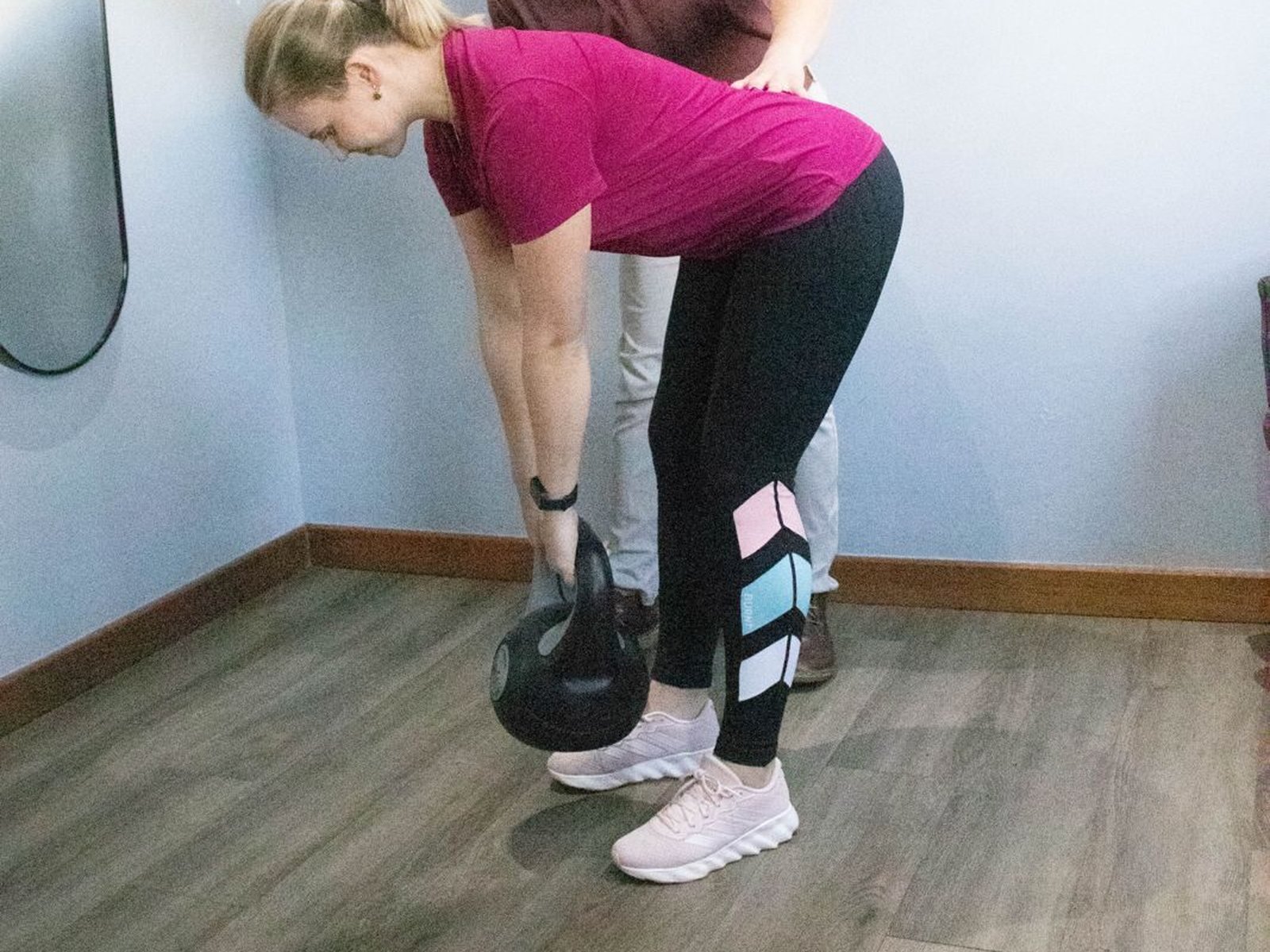
Introduction
Therapeutic exercise is the cornerstone of modern physiotherapy, designed to restore function, reduce pain, and prevent re-injury. Unlike general fitness training, therapeutic exercise is precisely tailored to your specific injury, condition, and personal goals. It involves a systematic approach to re-educating your body's movement patterns, strengthening weakened muscles, improving flexibility, and building resilience.
Of everything used in physiotherapy, therapeutic exercise has the strongest and most consistent evidence base. It's rarely used alone, joint mobilisations, dry needling, and other hands-on techniques all play a role, but exercise is what actually builds the lasting strength, control, and resilience that keeps symptoms from returning. Nearly every condition treated at Peak Physiotherapy includes therapeutic exercise as a core part of the plan.
At Peak Physiotherapy in Mayville, our focus is on empowering you with the tools to take an active role in your recovery. We guide you through progressive exercises that target the root cause of your pain, working toward long-term results and a confident return to your daily activities, work, and sport, for patients from The Moot, Wonderboom, Les Marais, and Rietfontein, as well as further afield across Pretoria.
How Therapeutic Exercise Works
The goal is not just to make you "feel better," but to make you "move better" and ultimately be stronger and more resilient than before your injury. This is achieved through a personalised programme that evolves as you progress, built on a few core principles:
- Specificity: exercises are chosen to directly address your unique impairments (e.g. weakness, stiffness, poor balance)
- Progression: exercises gradually increase in difficulty, resistance, or complexity as your body adapts
- Individualisation: your plan is unique to you, considering your injury, fitness level, and lifestyle
- Education: you'll understand the "why" behind each exercise and how it contributes to your recovery
Types of Therapeutic Exercise We Utilise
Strength training uses targeted exercises with body weight, resistance bands, free weights, or machines to build muscle strength and endurance. Crucial for stabilising joints, improving muscle function, and making tissues more resilient to daily demands and sport.
Mobility and flexibility work uses techniques focused on restoring normal joint range of motion and improving muscle length. Includes stretching, joint mobilisation techniques (often combined with hands-on therapy), and movement drills to reduce stiffness and improve overall fluidity of movement.
Balance and proprioception training uses exercises designed to improve your body's awareness in space and its ability to react to changes in balance. Vital for preventing falls, enhancing athletic performance, and restoring confidence after injuries like ankle sprains or concussion.
Motor control and coordination focuses on retraining specific muscle activation patterns and improving the coordinated effort of muscle groups. Often subtle at first, these exercises are critical for correcting faulty movement habits and optimising biomechanics during complex tasks.
Endurance training is often associated with general fitness, but endurance exercises are vital in rehabilitation for building stamina in injured tissues and improving overall functional capacity, allowing you to sustain activity without fatigue or pain.
Evidence & Research Support for Therapeutic Exercise
Therapeutic exercise is one of the most consistently evidence-supported components of physiotherapy. Research generally shows individualised exercise programmes outperform passive treatment alone for conditions like chronic low back pain, knee osteoarthritis, and tendinopathies, and tailored exercise is also well-supported for improving motor control and balance during musculoskeletal rehabilitation.
This isn't a case of mixed or uncertain evidence, the research supporting structured, progressive exercise is among the strongest and most consistent in all of physiotherapy, across an unusually wide range of conditions. It's part of why therapeutic exercise sits at the centre of nearly every treatment plan at Peak Physiotherapy, rather than being one option among many.
What matters most isn't just that you exercise, but how the programme is structured: the right exercises, at the right intensity, progressed at the right pace for your specific tissue and stage of recovery. Poorly dosed exercise, too much too soon, or not enough progression, doesn't deliver the same results as a properly individualised programme. This is where professional guidance adds real value beyond a generic online routine.
Benefits of Therapeutic Exercise
Therapeutic exercise offers benefits that extend well beyond simply feeling less pain:
- Addressing the underlying cause of pain: building strength and improving movement, rather than just managing symptoms in the moment
- Improved function & mobility: helps you perform daily activities, work tasks, and sport with greater ease and confidence
- Enhanced strength & endurance: builds muscle capacity and stamina to withstand physical demands
- Supporting injury resilience: strengthening vulnerable areas, improving balance, and refining movement patterns as part of reducing future injury risk
- Increased confidence: helps you trust your body's capabilities again, reducing fear of movement
- Post-operative rehabilitation: central to regaining strength, range of motion, and function after surgery
What to Expect During a Session
Therapeutic exercise is woven throughout your physiotherapy sessions, from your very first assessment onward, rather than delivered as a separate, isolated block of time.
- Your first session identifies your specific impairments, movement patterns, and goals, forming the basis of your programme
- Exercises are demonstrated and practised with you in session, so you're confident with correct technique before doing them independently
- You'll leave with a clear home programme, and sessions progress the exercises as your strength and control improve
- Regular reassessment ensures the programme keeps pace with your recovery, rather than staying static
Conditions & Clinical Uses for Therapeutic Exercise
Therapeutic exercise is a core component of treatment for nearly all musculoskeletal and sports-related conditions managed at the practice, including:
Back pain and sciatica
responds particularly well to therapeutic exercise, building the core and hip strength that reduces load on the spine and supports long-term recovery. See back pain.
Neck pain
benefits from targeted deep neck muscle and postural strengthening, addressing the movement and control deficits that often accompany chronic neck symptoms. See neck pain.
Shoulder pain
, including post-surgical rotator cuff rehabilitation, relies heavily on progressive, staged strengthening to restore full function safely. See shoulder pain.
Knee pain
, including ACL and post-surgical rehabilitation, follows a structured, criteria-based exercise progression from early protective movement through to full return to sport. See knee pain.
Hip pain
often responds to targeted strengthening of the gluteals and deep hip stabilisers, addressing the strength deficits commonly underlying hip-related presentations. See hip pain.
Ankle pain
and post-sprain rehabilitation depend on progressive strength and balance work to rebuild confidence and reduce the high risk of re-injury. See ankle pain.
Sports injuries
across rugby, running, padel, and gym training are managed through sport-specific exercise progressions, building toward the demands of your particular activity. See Sports & Rugby physiotherapy.
Post-surgical rehabilitation
across all orthopaedic procedures is built around your surgeon's protocol and healing stage, with exercise progressed carefully rather than by a fixed calendar. See post-surgical rehabilitation.
Concussion recovery
incorporates graded exercise to support a safe, monitored return to physical activity. See concussion.
Essentially, if a condition responds to physiotherapy, therapeutic exercise is almost always part of the treatment plan. It's rarely used in isolation from other techniques, but it's consistently the foundation the rest of the plan is built on.
How Therapeutic Exercise Fits into Your Treatment Plan
While therapeutic exercise is the foundation of most treatment plans, it's rarely the only thing happening in a session. That's why it's combined with:
- Hands-on techniques such as joint mobilisations, dry needling, or myofascial release, where these help create the right conditions for exercise to be effective
- Movement analysis to identify exactly which patterns your exercise programme should target
- Education on load management, so you understand what to do, and avoid, outside of your prescribed exercises
- Regular reassessment to keep your programme matched to your current capacity, not a fixed plan set once and never adjusted
Therapeutic exercise builds the lasting change. The rest of the session supports and accelerates that process.
Is This the Right Treatment for You?
The best way to know is a proper assessment, not guessing based on what you've read here.
Frequently Asked Questions
Will exercising make my pain worse?
Properly dosed therapeutic exercise is designed to work within your current capacity and progress gradually, some mild, temporary discomfort during or after exercise is common and expected, but it shouldn't cause a significant or lasting flare-up. Your programme is adjusted based on how you respond.
Why is therapeutic exercise almost always part of my treatment plan, no matter what's wrong?
Because it has the strongest, most consistent evidence base of any physiotherapy technique across an unusually wide range of conditions. Hands-on treatment can help create the right conditions for progress, but exercise is what actually builds the lasting strength and resilience that prevents symptoms returning.
How often should I do my therapeutic exercises?
This varies by programme and condition. Your physiotherapist will give you specific guidance, typically ranging from daily to a few times per week depending on what you're working on.
Do I need gym equipment to do my exercises?
Not necessarily. Many therapeutic exercise programmes use body weight or simple equipment like resistance bands that can be done at home, though some presentations benefit from gym-based equipment where available.
How long until I see results from therapeutic exercise?
Many people notice initial improvement within 2–4 weeks of consistent exercise, though building meaningful strength and resilience typically takes 6–12 weeks or longer, depending on the condition and consistency. These are always approximate ranges.
Can I combine therapeutic exercise with my regular workouts?
Often yes. Your physiotherapist can help you understand how your rehabilitation programme fits alongside your regular training, and what to modify or prioritise while you're recovering.
What's the difference between therapeutic exercise and just going to gym?
Therapeutic exercise is specifically tailored to your injury, current capacity, and recovery stage, targeting the exact impairments identified in your assessment, rather than a generic fitness programme.
Do I really need to do my exercises at home, or is the session enough?
Home exercises are typically essential for meaningful progress. The sessions establish and progress your programme, but consistency between visits is what drives most of the actual change.
What if I don't have time to do all my prescribed exercises?
Tell your physiotherapist. Programmes can often be adjusted to fit realistically into your schedule, and a smaller number of well-done exercises consistently is better than an ambitious programme that doesn't happen.
Is therapeutic exercise safe after surgery?
Yes, when appropriately staged according to your surgeon's protocol and healing timeline. It's a core part of post-surgical rehabilitation, introduced at the right time for your specific procedure.
Can therapeutic exercise help prevent injuries, not just treat them?
Yes. Addressing strength, mobility, and movement pattern deficits proactively is a well-supported approach to reducing injury risk, particularly relevant for athletes and anyone returning from a previous injury.
Can therapeutic exercise alone fix my problem without any hands-on treatment?
For some presentations, yes, exercise alone can be highly effective. For others, combining it with hands-on techniques like joint mobilisations or dry needling helps create better conditions for the exercise to work. Your assessment determines the right combination for your specific presentation.
Does medical aid cover therapeutic exercise?
Yes, it's included within your physiotherapy session and billed the same way. We bill most South African medical aids directly.
Do I need a referral for therapeutic exercise?
No. It's included as part of your physiotherapy session, which doesn't require a referral to book.
Peak Physiotherapy · Mayville, Pretoria
Ready to get moving again?
Book an assessment and find out if therapeutic exercise is right for you — no referral needed.