
Joint Mobilisations
Hands-on techniques to restore joint movement and reduce stiffness, offered at Peak Physiotherapy in Mayville, Pretoria.
- No referral needed
- Medical aid billed directly
- Full-hour assessment
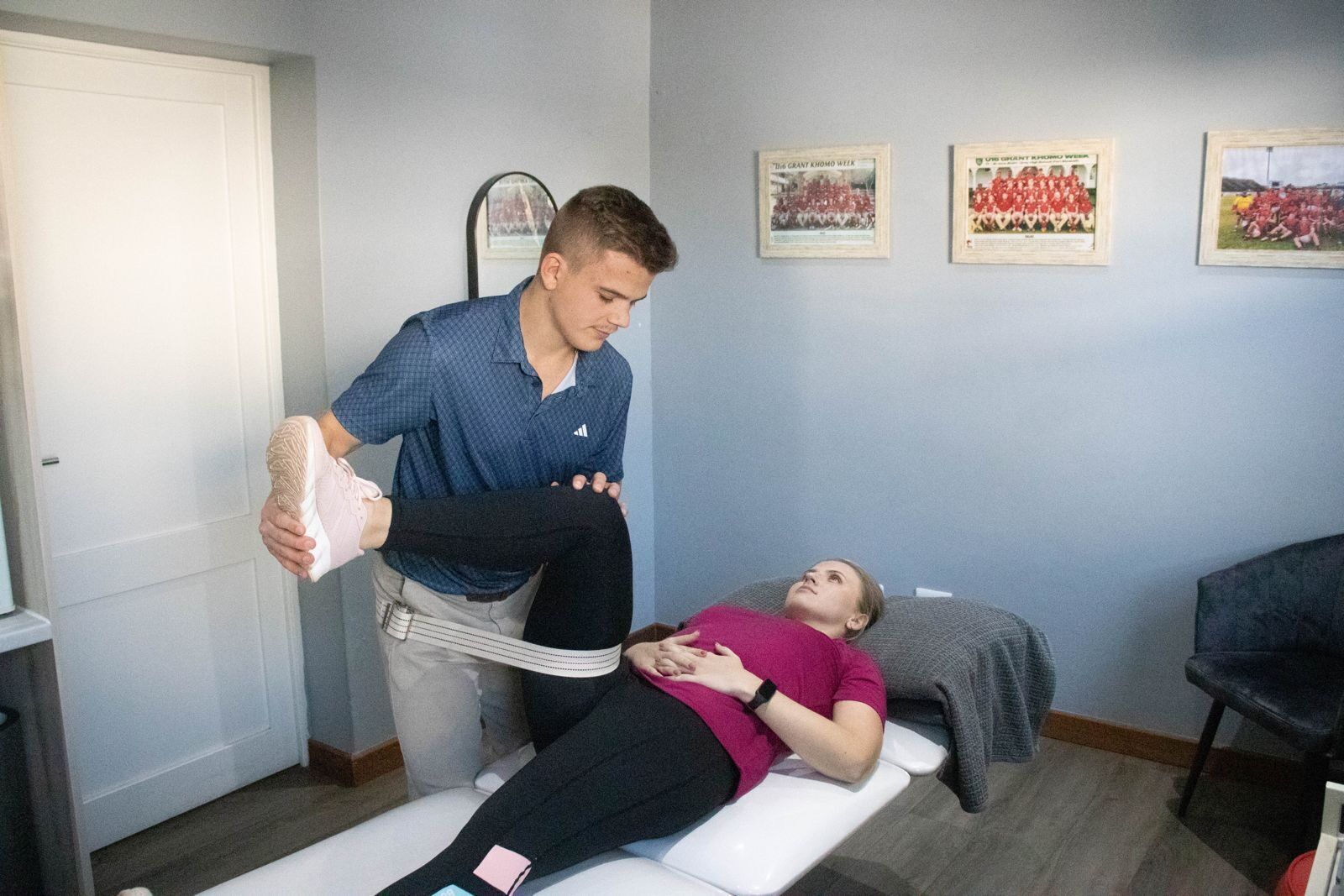
Introduction
Joint mobilisations and manipulations are hands-on physiotherapy techniques used to restore normal movement in stiff, painful, or restricted joints. When a joint isn't moving properly, it often leads to pain, muscle tension, reduced function, and compensations elsewhere in the body.
Most patients describe the sensation as gentle stretching or controlled pressure. Importantly, these techniques are never forced, communication and consent are key parts of treatment at every session.
At our Pretoria practice serving The Moot and Mayville areas, joint techniques are always combined with exercise rehabilitation, not used as a standalone fix, they're one part of a broader treatment plan for conditions like back pain, neck pain, and shoulder pain.
Where Did Joint Mobilisation Originate?
Manual therapy techniques for joint pain have a long history, with references to hands-on joint treatment appearing in the writings of Hippocrates in ancient Greece. The modern practice of structured joint manipulation developed more formally in the late 19th century, through the founding of osteopathy and chiropractic as distinct disciplines focused on manual treatment of the musculoskeletal system.
Physiotherapy adopted and refined manual therapy techniques through the 20th century, developing structured, graded approaches such as the Maitland and Mulligan concepts, which remain widely taught and used internationally today. Unlike some manual therapy traditions, physiotherapy integrates joint mobilisation and manipulation within a broader, evidence-based assessment and rehabilitation framework, rather than treating manual technique as a complete system on its own.
This distinction matters clinically: the same hands-on skill can sit within very different overall approaches to care, depending on the practitioner's training and framework.
How Joint Mobilisation Works
When a joint becomes stiff or painful, movement often becomes protective and guarded, which can further reduce mobility over time. Applying gentle, controlled pressure or movement to the joint is thought to work through several mechanisms working together, rather than a single simple effect.
Movement of the joint stimulates mechanoreceptors, sensory nerve endings within the joint capsule and surrounding tissue, which can help reduce the perception of pain through the nervous system's own pain-gating mechanisms. Joint movement also encourages the natural circulation of synovial fluid, the joint's internal lubricant, which supports cartilage nutrition and may help reduce stiffness. Finally, restoring normal joint movement often allows surrounding muscles to relax out of a protective, guarded pattern, since much of that guarding is a response to the joint's restricted movement in the first place.
- Joint movement stimulates sensory receptors that help reduce pain signalling
- Synovial fluid circulation is encouraged, supporting joint nutrition
- Protective muscle guarding around the joint often eases as movement improves
- The combined effect creates a better window for active exercise and rehabilitation to be effective
Types of Joint Techniques
Joint mobilisations are gentle, controlled movements applied within or at the limit of the joint's available range. These are graded techniques, often described using a scale from Grade I (small, gentle oscillations well within the joint's range, used mainly for pain relief) through to Grade IV (larger movements right at the end of range, used more for restoring stiffness-limited movement). The grade used depends entirely on your specific presentation and what your assessment identifies as appropriate.
Joint manipulations involve a quick, precise, low-amplitude movement delivered at the very end of a joint's available range. This may sometimes produce a "click" or "pop," known as cavitation, a harmless release of gas bubbles within the joint fluid caused by a rapid pressure change, similar to the sound of cracking your knuckles. The sound itself isn't what creates the therapeutic effect, and manipulation can be effective with or without an audible click.
Most patients describe mobilisations as feeling like gentle, rhythmic stretching or pressure, building gradually within a session. Manipulations feel quick and controlled, often described as a brief, single movement rather than a sustained sensation. Which technique is used, and at what grade, depends on your specific joint, your presentation, your comfort level, and what your assessment shows will be most effective, not a fixed protocol applied to everyone.
Evidence & Research Support
Research generally supports joint mobilisation and manipulation as part of a broader treatment plan for conditions like neck pain, low back pain, and shoulder dysfunction, particularly when combined with exercise rather than used alone. The general idea is that these techniques can help calm pain and improve movement, creating a better window for active rehabilitation to work.
It's worth distinguishing between the two techniques specifically: evidence for gentler joint mobilisations (used on peripheral joints like the shoulder, hip, or ankle, and lower-grade spinal techniques) is generally consistent and well-established for improving movement and reducing pain-related stiffness. Evidence for higher-velocity spinal manipulation is more mixed and condition-dependent. It can be effective for some presentations of neck and low back pain, but the effect size is typically similar to other manual therapy techniques rather than uniquely superior, and it's screened carefully for suitability before use, particularly in the neck.
Benefits in Physiotherapy
When appropriate for your presentation, joint mobilisation and manipulation offer several meaningful benefits within your broader treatment plan:
- Pain reduction: by stimulating joint receptors and reducing protective muscle tension
- Improved joint mobility: particularly useful when stiffness limits daily activities or exercise
- Better movement quality: restoring joint motion can help the body move more efficiently
- Reduced muscle guarding: muscles often relax once joint movement improves
- Faster progress in rehab: improved movement and reduced pain often make exercise-based rehabilitation more comfortable and effective sooner
- Supporting return to function: especially when combined with strengthening and movement retraining
What to Expect During a Session
Joint mobilisation and manipulation are applied as part of your broader physiotherapy session, following a full assessment of your movement, posture, and the specific joint or joints involved.
- Your physiotherapist will explain which joints and techniques they plan to use, and check your comfort with this before starting
- You'll be positioned comfortably, and the affected joint moved through a specific direction and grade of movement
- Mobilisations may feel like a rhythmic, gentle pressure; manipulations feel like a brief, quick movement, sometimes with an audible click
- Mild soreness afterward is possible, similar to how a joint can feel after exercise, and usually settles within a day
Conditions & Clinical Uses
These techniques are especially helpful when pain is linked to movement restriction rather than tissue damage alone, including:
Neck pain and stiffness
is a frequent application, often for mechanical neck pain and stiffness-related presentations.
Low back pain and mechanical spinal pain
often responds to restoring movement in stiff spinal segments as part of back pain treatment.
Mid-back stiffness
often responds well to joint mobilisation given how naturally stiff the thoracic spine is, see mid-back pain.
Shoulder stiffness
(e.g. frozen shoulder, post-injury restriction) is particularly relevant for shoulder pain presentations involving significant stiffness.
Hip and ankle mobility restrictions
benefit from supporting movement in hip pain and ankle pain presentations where joint stiffness is a contributing factor.
Post-operative joint stiffness
(where appropriate) is used as part of post-surgical rehabilitation once cleared by your surgeon.
Sports-related joint dysfunction
is relevant across sports and rugby presentations where joint restriction is affecting movement or performance.
How Joint Mobilisation Fits into Your Treatment Plan
Joint mobilisation and manipulation on their own don't address the underlying strength, movement patterns, or load-management factors that often contribute to joint stiffness returning. That's why it's applied within a physiotherapy session that includes:
- A physical assessment to identify which joints are contributing to your symptoms and which technique, and grade, is appropriate
- Exercise prescription to build strength and control around the treated joint
- Movement retraining where compensations have developed around the restricted joint
- Education about what to expect and how to progress between sessions
Joint mobilisation and manipulation add a specific tool for restoring movement. The rest of the session addresses everything else.
Is This the Right Treatment for You?
The best way to know is a proper assessment, not guessing based on what you've read here.
Frequently Asked Questions
Are joint mobilisations and manipulations safe?
Yes. When performed by a qualified physiotherapist following a proper assessment, these techniques are considered safe and evidence-based.
Do joint manipulations always cause a 'click'?
No. A clicking sound may occur, but it is not necessary for the treatment to be effective.
What's the difference between a mobilisation and a manipulation?
Mobilisations are slower, graded movements within or at the edge of the joint's range, used across a spectrum from gentle to firm. Manipulations are a single, quick, precise movement at the very end of range, sometimes producing an audible click. Both aim to restore movement; the choice depends on your presentation and assessment.
Will this fix my problem permanently?
Joint techniques can reduce pain and improve movement, but long-term results depend on rehabilitation, exercise, and addressing the underlying contributing factors, not the manual technique alone.
Is this treatment painful?
Mobilisations and manipulations are generally not painful, though some mild discomfort or soreness afterwards is possible, similar to how muscles can feel after exercise. Your physiotherapist adjusts technique and intensity to your comfort.
Do you offer this in The Moot and Mayville areas?
Yes. Joint mobilisations and manipulations are offered at our Mayville practice, serving patients from The Moot and surrounding Pretoria areas.
What's the difference between a physiotherapist doing this and a chiropractor?
Both may use similar manual techniques, but physiotherapists integrate joint mobilisation and manipulation within a broader assessment and rehabilitation plan that includes exercise and movement retraining, rather than manual treatment as the primary or sole intervention.
Is joint manipulation safe for the neck?
When performed by a trained physiotherapist following appropriate screening and assessment, neck-directed techniques are considered safe. Your physiotherapist will screen for any factors that would make manipulation inappropriate for your specific presentation.
How many sessions of joint mobilisation will I need?
This varies by condition and how you respond, some presentations improve within a few sessions, while others need an ongoing combination of manual therapy and exercise over several weeks.
Can joint mobilisations help frozen shoulder?
Yes. They're commonly used as part of frozen shoulder treatment to help manage stiffness, though frozen shoulder often follows a longer overall recovery course due to the nature of the condition itself.
Can joint mobilisation help with a stiff mid-back from desk work?
Yes. The thoracic spine (mid-back) is naturally one of the stiffer regions of the spine, and joint mobilisation is often one of the most directly effective techniques for restoring movement there, particularly for desk-related postural stiffness.
Do I need imaging before joint mobilisation treatment?
Not usually. Clinical assessment identifies whether joint mobilisation or manipulation is appropriate for your presentation, and your physiotherapist will flag if imaging is needed first for any specific concern.
Does medical aid cover joint mobilisation treatment?
Yes, it's included within your physiotherapy session and billed the same way. We bill most South African medical aids directly.
Do I need a referral for joint mobilisation treatment?
No. You can book directly with us. If your medical aid requires a referral for reimbursement, we'll help guide you through that.
Peak Physiotherapy · Mayville, Pretoria
Ready to get moving again?
Book an assessment and find out if joint mobilisations is right for you — no referral needed.