
TMJ & Headache Physiotherapy
Assessment and treatment for jaw pain, clicking, and tension headaches in Mayville, Pretoria — easing discomfort and restoring comfortable function.
- No referral needed
- Medical aid billed directly
- Full-hour assessment
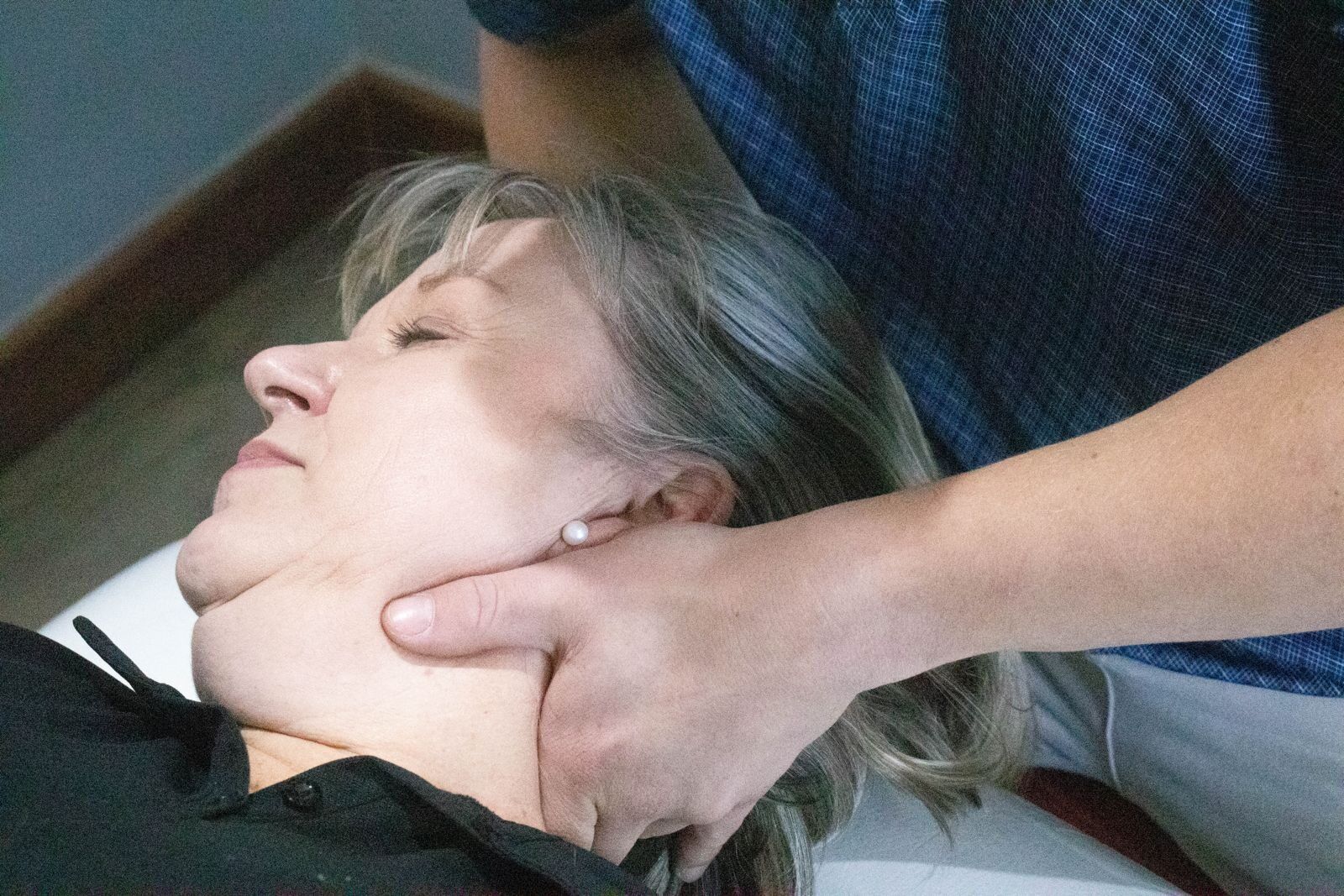
Introduction
Jaw pain and discomfort around the ear or face are more common than many people realise, and are often linked to problems with the temporomandibular joint (TMJ), the hinge joint just in front of each ear that connects your lower jaw to your skull. This joint plays a key role in everyday actions like talking, chewing, yawning, and even breathing, which means even minor dysfunction can quickly become noticeable in daily life. TMJ-related pain goes by several names too, including TMD (temporomandibular dysfunction), jaw clicking, myofascial jaw pain, and bruxism-related tension, depending on the specific pattern involved.
Research suggests that up to 25–30% of people experience symptoms related to TMJ dysfunction at some point in their lives, making it one of the more common, yet frequently misunderstood, musculoskeletal conditions. When the jaw isn't moving well or is under constant tension, it can affect sleep, concentration, eating, and contribute to headaches or neck pain, given how closely the jaw, neck, and head work together.
The good news is that TMJ-related pain responds very well to physiotherapy, with a focus on restoring normal movement, reducing tension, and helping you feel confident using your jaw again. At Peak Physiotherapy in Mayville, we treat TMJ and jaw-related pain in patients from The Moot, Wonderboom, Les Marais, and Rietfontein, as well as further afield across Pretoria. A full-hour first assessment allows time to properly distinguish jaw-driven symptoms from neck-related headaches, since these commonly overlap.
Anatomy & Biomechanics
The temporomandibular joint (TMJ) is the hinge that connects your lower jaw to your skull, located just in front of each ear. It's one of the most frequently used joints in the body, working every time you speak, chew, swallow, or yawn. Unlike a simple hinge, the TMJ is designed to both rotate and glide, allowing smooth and controlled jaw movement.
Inside the joint sits a small cartilage disc that helps distribute load and guide movement. The TMJ works closely with the muscles of the jaw, face, neck, and upper shoulders. When these muscles become tight, overworked, or poorly coordinated, the joint can start moving less efficiently. Over time, this may lead to stiffness, clicking, discomfort, or pain, often without any clear injury.
Because posture, breathing, and stress levels all influence how the jaw functions, TMJ pain can develop even without direct trauma. The joint is adaptable and responds well to the right rehabilitation approach.
Understanding this matters because many patients arrive worried that clicking or catching means the disc is damaged or that surgery might be needed. In the large majority of cases, neither is true. Clicking and stiffness usually reflect muscle tension and altered movement patterns rather than structural damage, and the jaw responds well to the same principles of graded movement and strengthening used everywhere else in the body.
- The temporomandibular joint (TMJ) – the hinge joint connecting the lower jaw to the skull, just in front of each ear
- The articular disc – a small cartilage disc inside the joint that helps distribute load and guide smooth movement
- The muscles of mastication – including the masseter and temporalis, responsible for chewing, clenching, and jaw control
- The neck and upper shoulder muscles – which strongly influence jaw position and posture
- The trigeminal nerve – supplying sensation to the face and jaw, and often involved in referred pain patterns
What Causes TMJ Pain (Acute vs Chronic)
TMJ pain can develop suddenly or gradually over time, and many people experience a combination of both.
Acute TMJ pain often has a clear trigger: clenching or grinding during a stressful period, dental work requiring the mouth to stay open for a long time, or biting into something unusually hard. These situations can irritate the joint or overload the surrounding muscles, and symptoms can feel sudden and alarming even though they usually settle well with the right early guidance.
Chronic TMJ pain is far more common and usually develops slowly. Often, there's no single clear cause; instead, symptoms build up from repeated smaller stresses that haven't had time to recover:
- Teeth clenching or grinding, especially at night
- Prolonged desk work affecting neck and jaw posture
- High stress levels leading to constant jaw tension
- Ongoing neck pain or frequent headaches
- Excessive gum chewing or prolonged talking
TMJ dysfunction is very common and rarely serious. The jaw and surrounding tissues are highly adaptable, and with the right rehabilitation approach, most people improve significantly without invasive treatment.
Common Symptoms
TMJ symptoms can vary quite a bit from person to person, and may fluctuate day to day depending on stress levels, sleep, and how much the jaw has been used. Some people notice symptoms mainly in the morning after a night of clenching, while others find they build up gradually through a long day of talking or eating. Common symptoms include:
Jaw noises alone do not automatically indicate damage. Many people experience clicking without serious joint problems, and symptoms often improve with appropriate physiotherapy.
- Pain or tenderness around the jaw, ear, or cheek
- Clicking, popping, or grinding sounds with jaw movement
- Jaw tightness or stiffness, especially in the morning
- Difficulty opening the mouth fully or a feeling of the jaw "catching"
- Headaches, often around the temples or behind the eyes
- Pain aggravated by chewing, yawning, prolonged talking, or clenching
- Associated neck or upper shoulder discomfort
How This Affects Your Day-to-Day
TMJ pain rarely stays contained to just the jaw. It can quietly limit some of the most ordinary daily moments.
- Wincing through a meal, or avoiding harder foods like biltong or a thick sandwich
- Waking with a tight, tired jaw after a night of clenching
- Feeling self-conscious about a clicking or catching jaw in conversation
- Struggling to concentrate through the afternoon because of a building headache
For many people, it's not just the pain itself, but the constant background tension that wears them down.
Why It Might Not Be Improving
A few patterns commonly keep TMJ pain and headaches lingering longer than they need to:
- Continuing to clench or grind without addressing the underlying tension or stress driving it.
- Avoiding jaw movement out of fear of triggering pain. Understandable, but this tends to increase stiffness rather than protect the joint.
- Managing only the symptom, such as heat or occasional stretching, without addressing the muscle tension and movement pattern that's actually driving the load through the joint.
- Not having a clear diagnosis yet. Without knowing whether it's muscular, joint-related, or driven by the neck, it's hard to know what actually needs to change.
- Treating the headache in isolation, without recognising the jaw as a possible source.
The Solution: Getting the Right Diagnosis
Understanding exactly which pattern is driving your jaw pain or headaches, rather than guessing, is the most reliable way to get lasting relief.
Common Diagnoses
Several terms are commonly used to describe TMJ-related pain. These labels help guide treatment but don't always explain pain severity:
TMJ dysfunction (TMD)
is a broad term describing pain, stiffness, or altered movement of the jaw joint, the umbrella diagnosis most TMJ presentations fall under.
Myofascial jaw pain
is pain primarily from the jaw muscles, often linked to tension or clenching rather than the joint itself. This is one of the more common and most treatable presentations, responding well to dry needling and myofascial release.
Disc displacement
involves altered movement of the cartilage disc inside the joint, sometimes causing clicking or popping. Clicking alone, without pain or locking, generally isn't a cause for concern.
Jaw joint overload or irritation
is temporary irritation due to excessive or repetitive loading, often from an unusually stressful period, extensive dental work, or unaccustomed jaw activity.
Bruxism-related jaw pain
is pain associated with teeth grinding or clenching, particularly during sleep. Often managed alongside your dentist, who may recommend a night guard, with physiotherapy addressing the muscular tension and jaw movement component.
Imaging findings don't always correlate with symptoms. Many people show changes on scans without pain, which is why physiotherapy focuses on movement, function, and symptom behaviour rather than scans alone.
How Physiotherapy Can Help
Physiotherapy for TMJ pain starts with a thorough assessment of jaw movement, muscle tension, posture, and neck involvement, since jaw and neck symptoms are frequently connected. At Peak Physiotherapy, we assess not only the jaw, but also the neck, upper back, posture, breathing patterns, and daily habits that may be contributing to your symptoms. Treatment typically includes:
- Myofascial release and dry needling for the jaw, temple, and neck muscles contributing to tension and pain
- Joint mobilisations to restore smooth jaw movement where joint stiffness is contributing
- Therapeutic exercise: specific jaw control and coordination exercises to restore normal movement patterns
- Education on habits contributing to symptoms: clenching awareness, posture, and stress-related tension
- Coordination with your dentist where bruxism or a night guard is part of the broader management plan
Most TMJ-related pain improves substantially with a structured approach. Recovery timelines vary and are always approximate, generally ranging from 4 to 12 weeks of consistent treatment depending on the severity and type of condition. Milder, muscular-tension presentations often settle toward the shorter end of that range, while more significant joint changes can take longer.
If you're looking for TMJ physiotherapy in Pretoria, including The Moot and Mayville, physiotherapy offers a safe, effective, and evidence-informed approach.
Related Conditions We Treat
Not sure this is the right fit? These related conditions might explain what you're experiencing more precisely: Neck Pain, Back & Sciatica Pain, Concussion.
Frequently Asked Questions
What causes TMJ pain?
A combination of factors, including clenching or grinding, jaw joint overload, muscle tension, stress, and posture, can all contribute. It's rarely down to one single cause.
Is jaw clicking something to worry about?
Not usually. Clicking without pain or locking is common and generally not a cause for concern. Clicking accompanied by pain, locking, or a significant change in jaw movement is worth having assessed.
Can physiotherapy help TMJ dysfunction?
Yes. Physiotherapy is a well-established, effective approach for most TMJ presentations, focused on restoring jaw movement, reducing muscle tension, and addressing contributing factors like posture and stress.
How long does TMJ treatment take?
Recovery is always approximate, generally ranging from 4 to 12 weeks of consistent treatment depending on the severity and type of condition. Milder, muscular-tension presentations often settle toward the shorter end of that range, while more significant joint changes can take longer.
Do I need a scan for TMJ pain?
Usually not. Most TMJ presentations are diagnosed clinically, and imaging rarely changes the physiotherapy treatment approach.
Can TMJ problems cause headaches?
Yes. Jaw tension and dysfunction commonly contribute to headaches, particularly at the temples. Headaches with a neck-related component are covered in more detail on our neck pain page.
Is my jaw pain related to my neck pain?
Often, yes. The jaw and neck are closely connected through shared muscles and movement patterns, and TMJ assessment typically includes a look at neck function too.
Can stress really cause jaw pain?
Yes. Clenching and grinding, both linked to stress, are common contributors to TMJ-related muscle tension and pain, particularly noticeable during stressful periods.
Should I see a dentist or a physiotherapist for TMJ pain?
Both can play a role. A dentist may address grinding or clenching with a night guard, while physiotherapy addresses jaw and neck muscle tension, movement, and joint function. The two approaches often work well together.
Will I need a night guard for TMJ pain?
That's a decision best made with your dentist, based on whether bruxism (grinding) is a significant factor. Physiotherapy can complement a night guard by addressing the muscular and movement components.
Does medical aid cover TMJ physiotherapy?
Yes, we bill most South African medical aids directly for physiotherapy treatment of TMJ-related conditions. Get in touch to confirm your specific plan's benefit.
Do I need a referral to see you for TMJ pain?
No. You can book directly with us. If your medical aid requires a referral for reimbursement, we'll help guide you through that.
Peak Physiotherapy · Mayville, Pretoria
Ready to get moving again?
Book an assessment and get a clear plan for tmj & headaches — no referral needed.