
Chest Physiotherapy
Respiratory physiotherapy to support breathing and clear congestion, for adults and children, at Peak Physiotherapy in Mayville, Pretoria.
- No referral needed
- Medical aid billed directly
- Full-hour assessment
When to Seek Emergency Care First
Chest physiotherapy supports respiratory recovery, but it is not a substitute for urgent medical care. Seek emergency medical attention immediately, at a hospital or emergency room, rather than booking a physiotherapy appointment, if you or your child experience:
- Severe or worsening shortness of breath, or visible struggle to breathe
- Blue or grey lips, tongue, or skin, a medical emergency in adults and children alike
- Chest pain, especially with breathing difficulty
- Coughing up blood
- A high fever that isn't improving, particularly in an infant or young child
- In babies specifically: difficulty feeding, unusual drowsiness or floppiness, or grunting with each breath
- Any sudden, significant worsening in someone with an existing respiratory condition
Introduction
Feeling like you can't get a full breath, or that a cough just won't clear, is genuinely unsettling, whether it follows an infection, surgery, or a chronic respiratory condition. Chest physiotherapy is a clinical intervention aimed at improving breathing efficiency, helping clear secretions from the lungs, and supporting lung expansion.
The goal is to reduce the work of breathing, support oxygen exchange, and help lower the risk of complications like reduced lung expansion or mucus buildup after surgery or illness. It's a meaningful part of recovery for both post-surgical patients and those managing chronic respiratory conditions.
Chest physiotherapy is appropriate across a wide age range too, from infants with congestion, through school-age children recovering from a chest infection, to adults managing post-surgical recovery or a chronic respiratory condition. The specific techniques and approach are always adapted to the age and presentation in front of us.
Being minutes from Life Eugene Marais Hospital, this is a convenient option if you're recovering from surgery there or managing a respiratory complication following a hospital stay. Chest physiotherapy at Peak Physiotherapy is provided alongside, never in place of, ongoing medical management from your doctor, paediatrician, or specialist.
How Chest Physiotherapy Works
When mucus builds up in the airways, whether from infection, reduced movement during illness or after surgery, or a chronic respiratory condition, it can make breathing feel more effortful and increase the risk of further complications like infection or reduced lung expansion. Chest physiotherapy works by combining specific manual techniques with active patient participation to help mobilise that mucus and support fuller, more efficient breathing.
- Rhythmic manual techniques and positioning help loosen and mobilise mucus from smaller airways toward the larger central airways, where it can be more effectively coughed out
- Controlled breathing techniques help expand areas of the lung that shallow, guarded breathing during illness or after surgery can leave under-used
- Gravity-assisted positioning uses the effect of body position to help drainage from specific areas of the lung
- Active participation, coughing and breathing in a specific, guided way, is a core part of the technique, not something done passively to you
Types of Chest Physiotherapy Techniques
Active Cycle of Breathing (ACBT): a sequence of controlled breathing and "huffing" to help move secretions from deep in the lungs toward the upper airways, where they can be cleared more easily.
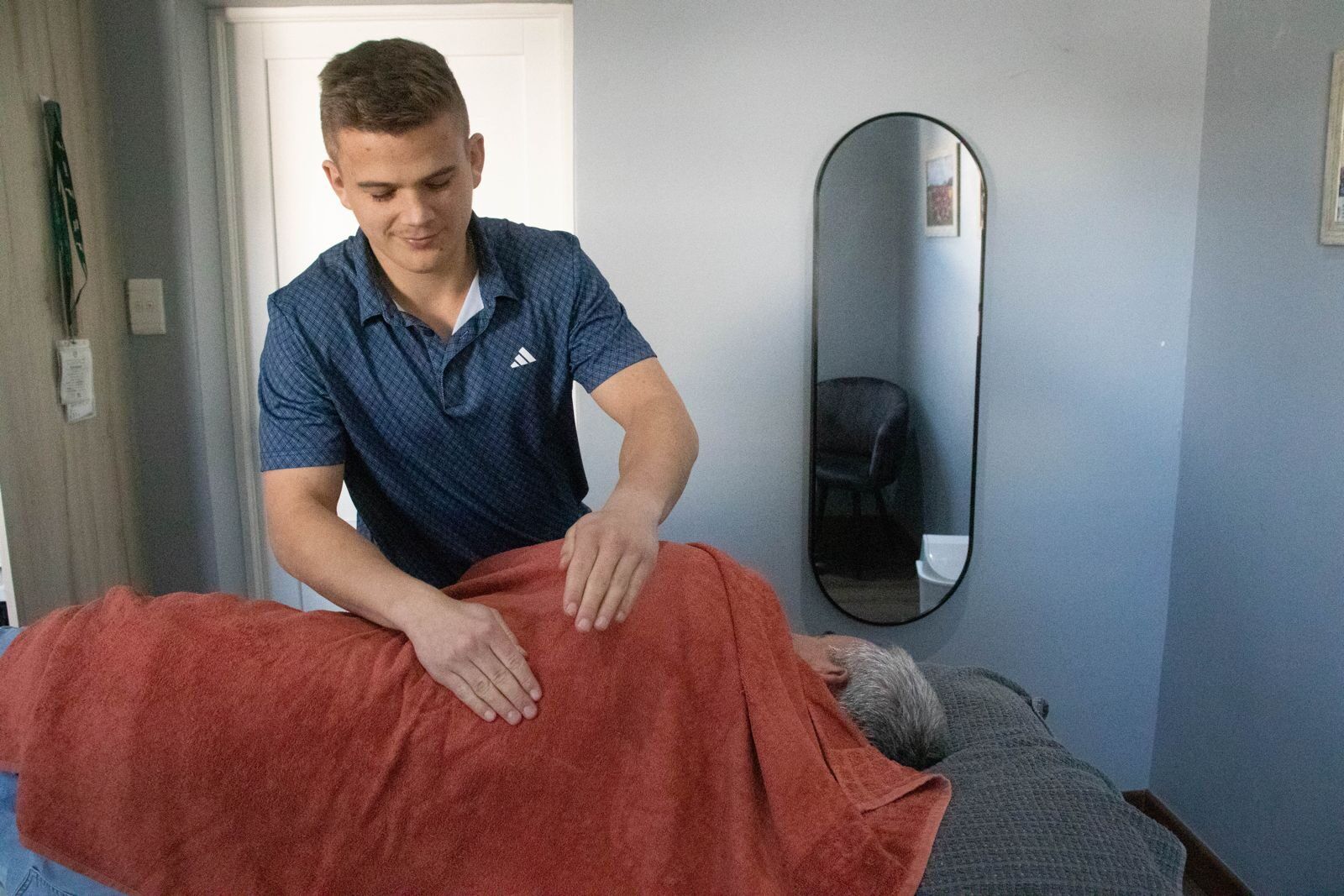
Manual percussion and vibration: rhythmic hands-on techniques applied to the chest wall to help loosen congestion, adapted in intensity and technique for age, from infants through to adults.
Postural drainage: gravity-assisted positioning to help secretions drain toward the central airways, with specific positions used depending on which part of the lung needs support.
Lung expansion exercises: breathing manoeuvres aimed at supporting fuller lung expansion and oxygenation, particularly relevant after surgery or a period of shallow breathing during illness.
Evidence & Research Support
The evidence for chest physiotherapy varies meaningfully depending on what it's being used for, and being upfront about that difference matters.
Support is strongest for post-surgical use, particularly after abdominal or thoracic surgery, where structured breathing exercises and early mobilisation have good evidence for reducing the risk of lung complications like atelectasis (partial lung collapse) and post-operative pneumonia. This is one of the clearest, best-supported applications of chest physiotherapy in current practice.
For chronic respiratory conditions like COPD, chest physiotherapy techniques are a well-established part of ongoing management alongside medical treatment, generally supporting secretion clearance and breathing efficiency as part of a broader care plan rather than as a standalone cure.
For straightforward viral chest congestion, such as a lingering cough after flu or a cold, evidence is more modest. Many uncomplicated cases resolve with time regardless of treatment, and current paediatric guidelines generally don't recommend routine chest physiotherapy for uncomplicated bronchiolitis in infants specifically, reserving it for more complex or persistent presentations. This is why assessment matters: chest physiotherapy is applied where it's genuinely likely to help, not as a default response to any cough or congestion.
Benefits of Chest Physiotherapy
Used appropriately, chest physiotherapy can support a number of things during recovery or ongoing respiratory management:
- Assisting the body in clearing mucus and congestion
- Supporting more of the lung surface being available for oxygen exchange
- Reducing the effort breathing takes, which can help with overall fatigue during illness or recovery
- Helping reduce the risk of mucus stagnation, as part of broader post-infection or post-surgical care
- For athletes, supporting good rib cage mobility and breathing mechanics as part of training or recovery, though this is a smaller part of general chest physiotherapy practice, not its main purpose
What to Expect During a Session
Sessions are adapted to your age, presentation, and what's actually needed, from a straightforward adult post-surgical review through to a gentle session with an infant.
- Your physiotherapist will assess your breathing, chest movement, and any relevant medical history or hospital discharge information before starting
- Manual techniques (percussion, vibration, positioning) are applied at an intensity appropriate to your age and condition, gentler and shorter for infants and young children
- You, or your child, will be guided through specific breathing or coughing techniques, active participation is a core part of treatment, not something done passively
- Sessions are generally well tolerated. Some increased coughing during and shortly after treatment is expected and a good sign that secretions are clearing
Conditions & Clinical Uses
Chest physiotherapy is commonly used for patients dealing with:
Acute bronchitis and pneumonia
often benefit from chest physiotherapy supporting secretion clearance and easing the work of breathing alongside medical treatment.
Lingering congestion after flu or colds
can respond to chest physiotherapy for chest tightness or a cough that won't clear on its own. See flu and colds.
Chronic Obstructive Pulmonary Disease (COPD)
often includes chest physiotherapy as part of ongoing respiratory management alongside medical care, supporting breathing efficiency and secretion clearance.
Asthma management and rib cage mobility
can be supported by chest physiotherapy addressing breathing mechanics as part of a broader asthma management approach directed by your doctor.
Cystic fibrosis
management often includes chest physiotherapy as part of a broader multidisciplinary care team, supporting regular airway clearance needs.
Post-operative recovery
benefits from chest physiotherapy supporting lung expansion after general anaesthesia, particularly relevant for patients recovering from surgery at Life Eugene Marais Hospital.
Post-viral fatigue and breathing pattern disorders
often respond to chest physiotherapy supporting breathing efficiency and reducing the effort of breathing during recovery from a respiratory illness.
Infant and childhood respiratory conditions
, including complicated or persistent bronchiolitis, congenital conditions affecting breathing, and recovery from a significant childhood chest infection, can benefit from chest physiotherapy, always coordinated closely with your child's paediatrician.
How Chest Physiotherapy Fits into Your Treatment Plan
Chest physiotherapy is always provided alongside your existing medical care, not as a replacement for it. A typical plan includes:
- Coordination with your doctor, paediatrician, or specialist, particularly for post-surgical, chronic, or paediatric presentations
- Hands-on techniques and guided breathing work tailored to your specific presentation and age
- Clear guidance on techniques you or your child can safely continue at home between sessions
- Regular reassessment, with referral back to your doctor promptly if symptoms aren't improving as expected
Chest physiotherapy supports your recovery. Your doctor's medical management remains the foundation of your care.
Is This the Right Treatment for You?
The best way to know is a proper assessment, not guessing based on what you've read here.
Frequently Asked Questions
Does chest physiotherapy hurt?
No. While manual percussion (clapping) involves rhythmic contact with the chest wall, it's designed to be firm but not painful. Your therapist adjusts the intensity based on your comfort and clinical needs.
How soon after a flu can I come in?
If you're struggling with a persistent cough, chest tightness, or feeling like you can't catch your breath, you can book as soon as you're ready, there's no fixed waiting period, though very acute or severe symptoms should be assessed by a doctor first.
Is it only for elderly patients?
No. Chest physiotherapy is used across all ages, from infants with respiratory conditions to adults recovering from surgery or illness to athletes managing breathing mechanics.
Do you treat babies and infants with chest physiotherapy?
Yes, techniques are adapted to be gentle and appropriate for infants. That said, current paediatric guidance generally reserves chest physiotherapy for more complicated or persistent infant respiratory presentations rather than routine, uncomplicated bronchiolitis, so this is always coordinated with your child's paediatrician.
What's different about chest physiotherapy for a baby compared to an adult?
Techniques are gentler, shorter, and adapted specifically for an infant's smaller airways and different anatomy. A baby can't actively participate the way an older child or adult can, so positioning and manual technique carry more of the treatment, always guided by what's appropriate for your child's specific age and presentation.
Can it help with post-COVID fatigue?
It can support breathing efficiency and reduce the effort of breathing during recovery from post-viral fatigue, though the overall picture varies significantly between individuals and is best assessed directly.
Do I need a referral for chest physiotherapy?
No. You can book directly. If you've been referred by your doctor or discharged from hospital with a recommendation for chest physiotherapy, bring any relevant information to your first session.
Does medical aid cover chest physiotherapy?
Yes, in the same way as other physiotherapy treatment. We bill most South African medical aids directly. Get in touch to confirm your specific plan's benefit.
What should I bring to a chest physiotherapy session?
Any relevant medical information, hospital discharge notes, your doctor's recommendations, or details of your diagnosis, helps us tailor the session appropriately.
Can chest physiotherapy help with COPD long-term?
It can be a useful part of ongoing COPD management, supporting breathing efficiency and secretion clearance alongside your doctor's medical management. It works best as part of a broader, coordinated care approach rather than a standalone intervention.
How many sessions will I need?
This depends on your condition. Some patients need a short course during acute illness recovery, while others with chronic respiratory conditions benefit from ongoing, periodic sessions. We'll discuss what's appropriate at your assessment.
Is chest physiotherapy the same as breathing exercises I could do at home?
Some elements overlap, but chest physiotherapy includes hands-on techniques (percussion, positioning) and clinical assessment that go beyond generic breathing exercises. Your physiotherapist tailors the approach to your specific presentation.
Should I see my doctor or a chest physiotherapist first?
If you have any of the emergency signs listed above, seek urgent medical care first. For ongoing congestion, recovery support, or a doctor's recommendation for chest physiotherapy, you're welcome to book directly.
Can chest physiotherapy help prevent a chest infection from getting worse?
In some cases, particularly where secretions are pooling and not clearing on their own, supporting airway clearance and lung expansion can be a useful part of managing that risk, always alongside, not instead of, your doctor's medical treatment.
Peak Physiotherapy · Mayville, Pretoria
Ready to get moving again?
Book an assessment and find out if chest physiotherapy is right for you — no referral needed.